
For owners of older Colorado homes, asbestos is one of those hidden concerns that surfaces during a renovation, a repair, or a sale. It was used in countless building products for decades, and a great many homes still contain it today. Understanding asbestos abatement in Colorado helps you make safe, informed decisions about your property and protect the people living in it.
This step-by-step guide walks through what abatement actually is, where asbestos hides in older homes, how the certified removal process works, and why licensed professionals and independent verification matter so much.
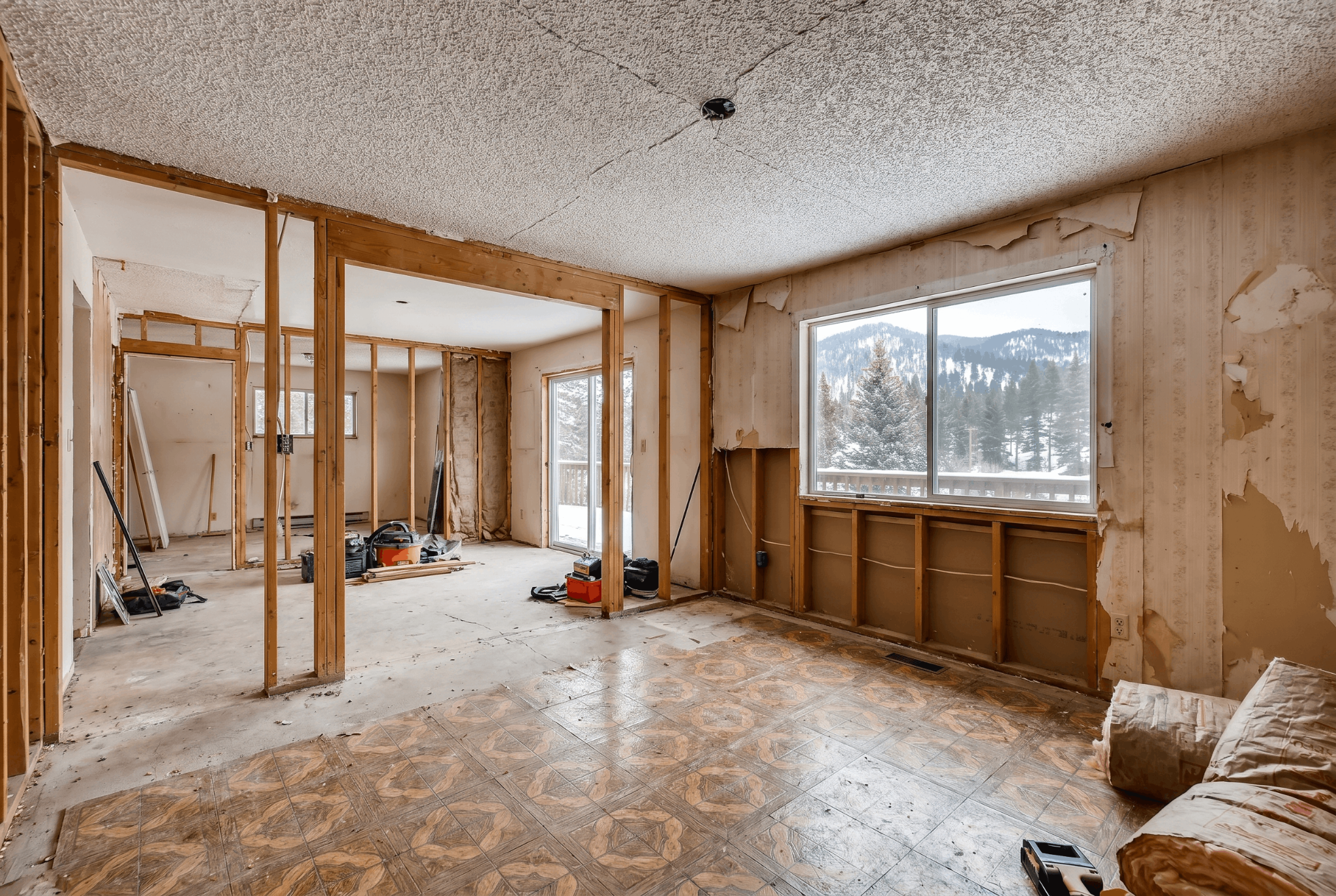
Asbestos abatement is the professional process of safely removing or sealing asbestos-containing materials so they no longer pose a health risk. It is important to understand that not every piece of asbestos in a home needs to be torn out immediately. Intact, undisturbed materials that are in good condition can sometimes be safely left in place, because the danger comes from fibers becoming airborne.
The picture changes the moment those materials are damaged or disturbed. Renovation, demolition, water damage, and general deterioration can all break down asbestos-containing products and release fibers into the air. That is when removal in Colorado becomes necessary, replacing a "leave it alone" approach with active, controlled work by licensed professionals. Water damage in particular can also set the stage for mold growth, so a full remediation plan often needs to address both hazards together. Knowing which situation applies to your home is the first step toward handling it safely.
Deciding between removal and management depends on the condition of the material and your plans for the space. If you are renovating or the material is already damaged, removal is usually the safe path. If the material is sealed, stable, and out of the way, a professional may advise leaving it untouched and monitoring it instead.
Asbestos was prized for its heat resistance and durability, so it appeared in a wide range of building products. In older Colorado homes, several materials are especially worth knowing about, because they are the ones homeowners most often encounter during projects.
Because these materials look ordinary, their presence is confirmed through independent, third-party testing rather than by appearance alone. Homes old enough to contain these materials often have lead-based paint as well, so a thorough inspection typically screens for both hazards at once. For one of the most common cases, see our popcorn ceiling post.
A professional abatement project follows a structured, regulated sequence designed to contain hazards at every stage. Each step protects the occupants, the workers, and the surrounding areas of the home. Here is how the certified abatement process typically unfolds.
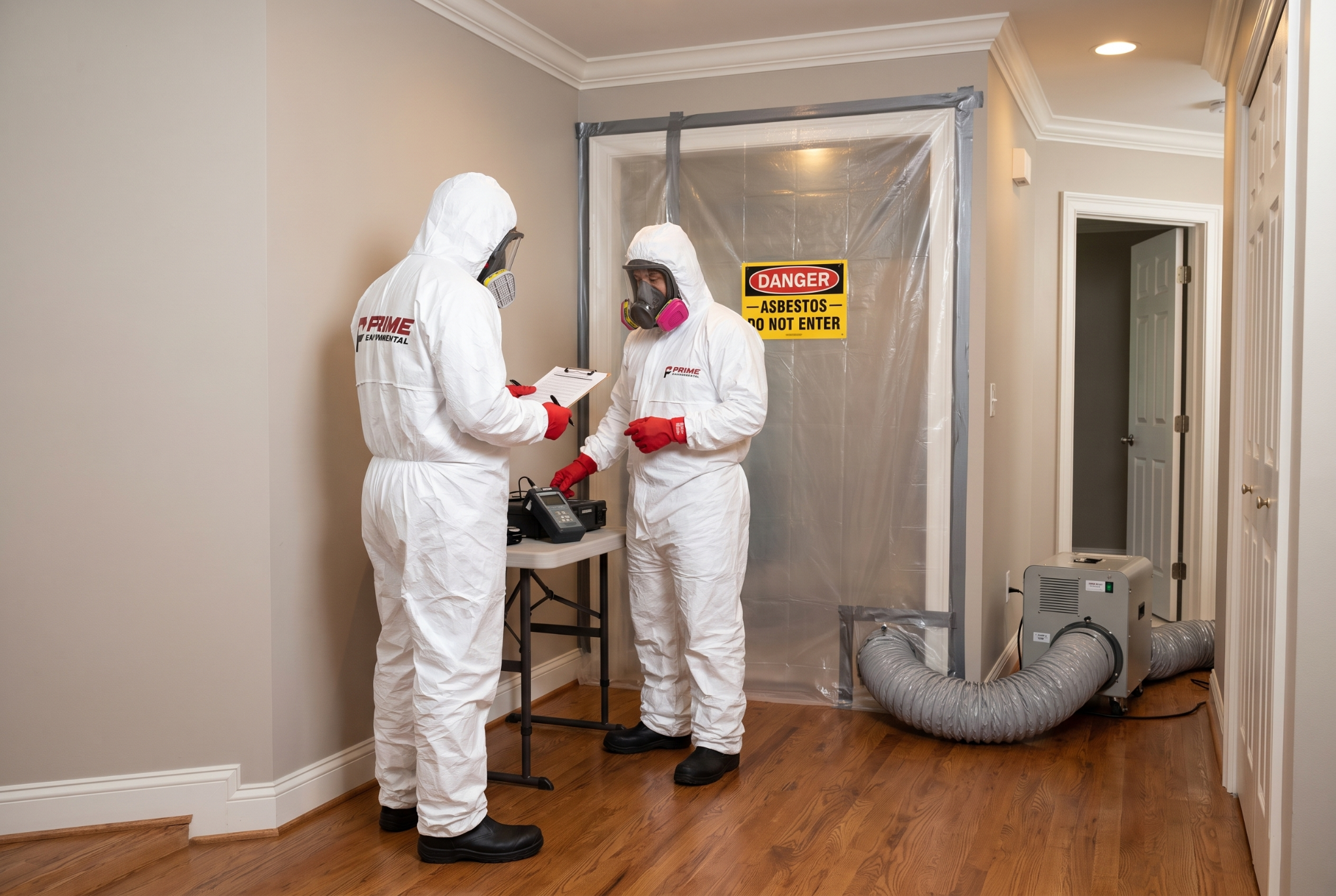
Asbestos work in Colorado is governed by strict CDPHE state and EPA federal regulations, and for good reason. The rules dictate how materials must be handled, contained, transported, and disposed of, with the aim of preventing exposure for both workers and the public. These requirements are detailed and carry real legal weight, and the CDPHE asbestos program and the EPA's asbestos resource center both outline these requirements in detail for homeowners who want to read the source material.
This is why hiring a licensed abatement contractor is not just a recommendation, it is the responsible and compliant choice. A licensed provider like Prime Environmental has the training, equipment, and certifications to perform the work safely and to keep the project fully documented. Attempting abatement without proper licensing risks improper handling, contamination, fines, and serious health consequences. When the situation is urgent, such as after a disaster, licensed crews can also respond quickly, as described in our emergency asbestos removal post.
The final and most reassuring step in any abatement project is independent verification. After the removal and cleaning are complete, the air in the work area must be tested to confirm it is safe to reoccupy. Crucially, this testing is performed by an independent third-party laboratory, not by the abatement provider itself.
Keeping clearance testing separate ensures the results are objective and trustworthy. The lab measures airborne fiber levels and confirms whether they meet the required safety standards. Only after the space passes this independent clearance is it considered safe to use again. This separation between the company doing the removal and the lab confirming the result gives homeowners confidence that the job was truly completed to standard.

If your older Colorado home is due for a renovation, repair, or sale, handling asbestos the right way protects everyone under your roof. Prime Environmental is a fully licensed asbestos abatement and removal provider, ready to guide you through the process from containment to safe disposal.
Colorado regulates asbestos removal closely, and for most situations doing it yourself is restricted or prohibited. The rules exist because disturbing asbestos without proper training, containment, and equipment can release dangerous fibers into your home. Larger quantities and disturbed materials must be handled by a licensed abatement contractor. The safest and most compliant choice is always to hire a licensed professional who follows the required procedures.
Asbestos is removed in Colorado through a regulated abatement process carried out by licensed professionals. The material is sealed off and contained, removed with approved fiber-suppressing methods and protective gear, and then transported to an approved disposal facility. Independent third-party air testing confirms the space is safe afterward. This careful sequence protects occupants and workers and ensures the work meets all state and federal requirements.
Yes, you can sell a home containing asbestos in Colorado, though disclosure and the material's condition are important factors. Intact, undisturbed asbestos may not require removal, while damaged or disturbed materials often need professional abatement before a sale. Sellers typically disclose known asbestos to buyers. Addressing it through a licensed provider gives buyers confidence and helps the transaction proceed without unexpected complications.
Asbestos use declined dramatically by the late twentieth century, so homes and buildings constructed after 2000 are far less likely to contain it. However, it is not impossible, since some materials remained in circulation and older stockpiles were occasionally used. Renovations that incorporated salvaged or older products can also introduce it. When there is any doubt, independent third-party testing is the reliable way to confirm whether asbestos is present.
A single short exposure carries a lower risk than prolonged or repeated exposure, but no amount of asbestos exposure is considered completely safe. The greatest danger comes from breathing fibers regularly over time, which is why disturbed materials should never be left unaddressed. If you suspect you have been exposed, limiting further contact and consulting a professional is wise. Proper abatement removes the ongoing source of risk entirely.
Our team of certified professionals is always ready to protect your home or business. Contact us today and get a FREE estimate.
.svg)

.svg)
.avif)