
October 30, 2026
Prime Environmental
The cost of asbestos removal in Denver depends mostly on how much material has to come out, what kind it is, and how hard it is to reach, so the only reliable price is one based on a test and a site visit. Homeowners insurance usually does not pay to remove asbestos that has simply been in the house for decades, but it may help when a covered event, such as a burst pipe or a fire, damages asbestos material and spreads it.
If you have a positive test or a ceiling or floor you suspect, the money question is a fair one. This guide explains what goes into a quote, when insurance can help, and what to do if the number is more than you can pay right now, without taking the shortcuts that make the problem worse.
Every quote is built from the same handful of things. Knowing them helps you compare quotes and spot one that leaves something out.
Size is the biggest driver: a single small room of floor tile is a very different job from a whole house of popcorn ceiling. The type of material matters too. Materials that crumble easily, such as pipe insulation or some ceiling textures, need more care than firm materials like intact floor tile, and that takes more time and protection.
A ceiling in an open room is easier than insulation in a crawl space or behind finished walls. Tight spaces, high ceilings and areas that have to be opened up first all add labor.
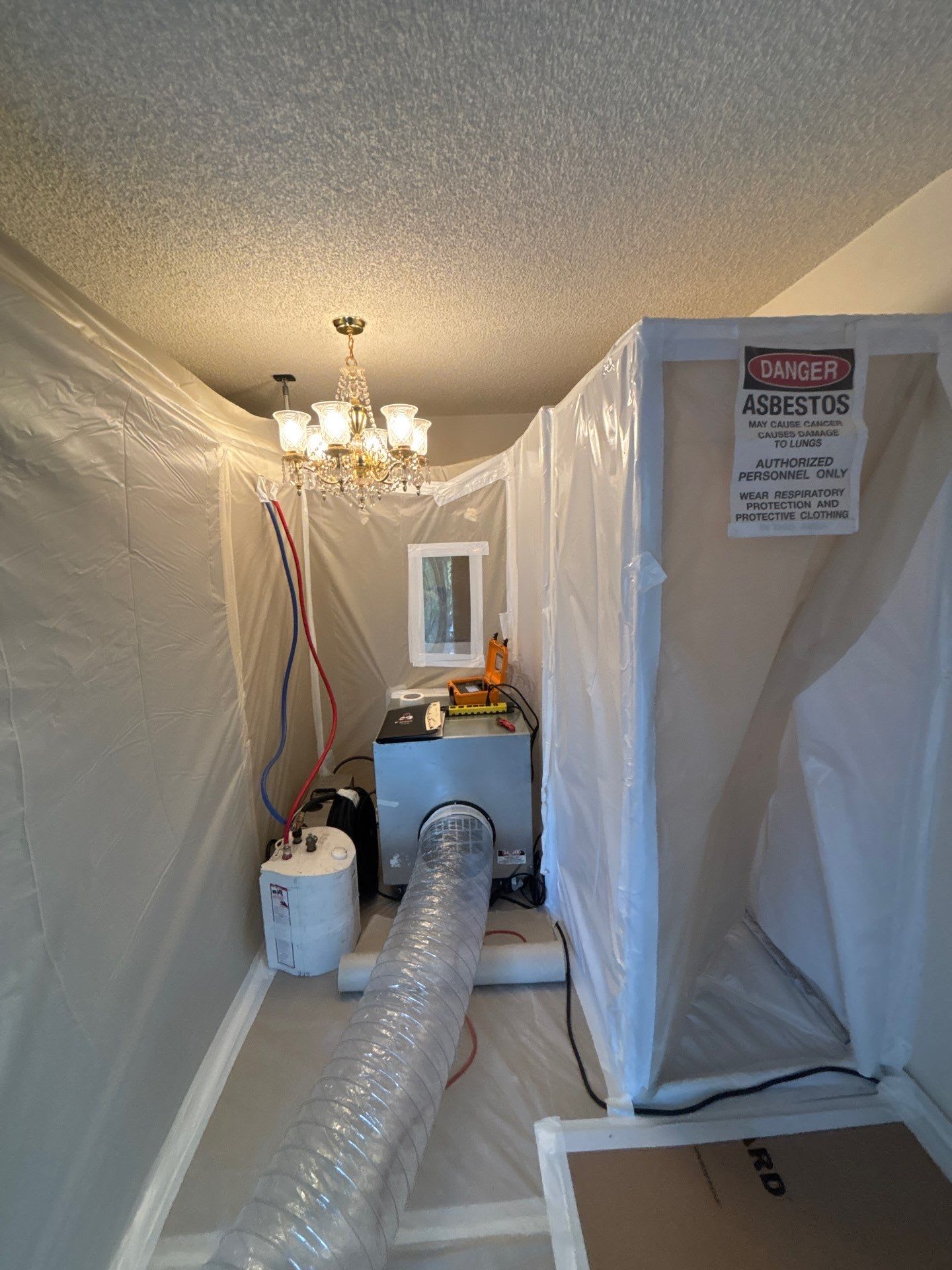
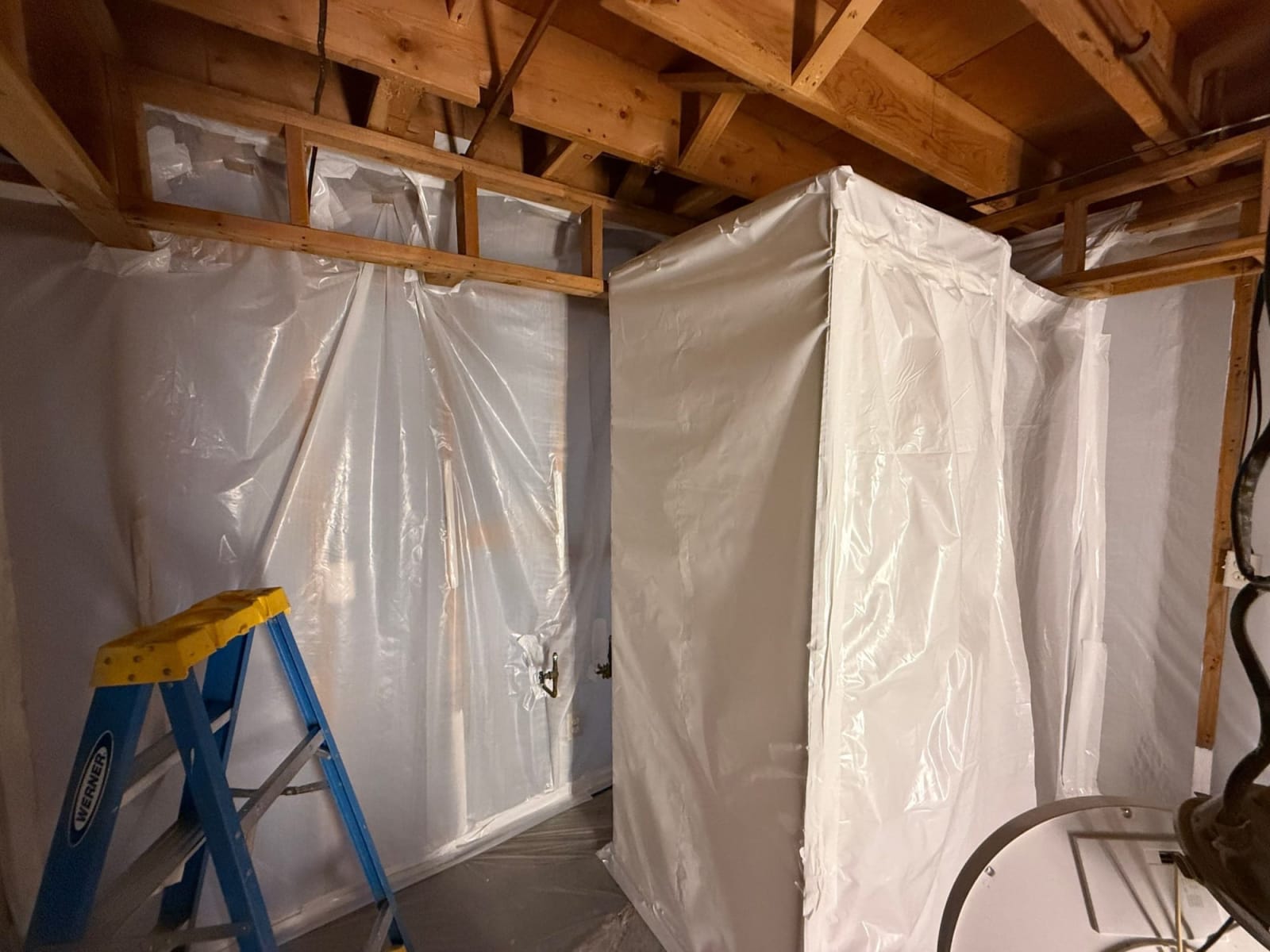
The work area has to be sealed off with plastic and kept under negative air pressure so fibers stay inside it. A bigger or more complicated space needs more containment, more equipment and more setup time.
Asbestos waste is sealed, transported and disposed of as regulated waste, with paperwork that proves where it went. That cost is part of every legitimate quote.
Testing comes before the quote, and air clearance testing comes at the end, before the containment comes down. Under Colorado law, neither one is done by the company that removes the asbestos: the certified inspector who identifies the asbestos and the air monitoring specialist who clears the area must both be independent of the abatement contractor. For projects above Colorado's trigger levels, the state also has to be notified 10 business days before removal begins, and the state charges a fee for that notice.
Insurance is the question we hear right after "how much". The honest answer is that it depends on why the asbestos needs to come out.
Most homeowners policies do not pay to remove asbestos because you want to remodel, sell or simply be rid of it. The material has been part of the house for years, and policies generally treat that as a condition of the home rather than sudden damage.
When a covered event damages asbestos material, the picture can change. A burst pipe that brings down a ceiling, or a fire that damages old insulation, can leave asbestos debris that has to be cleaned up before anything else is repaired. In those cases the cleanup may be part of the claim. Read your policy, call your insurer before work begins, and keep the test results and photos, since the claim will rest on them.
A high number is not a reason to do the job yourself or to hire whoever is cheapest. It may be a reason to change the plan.
What you should never do is scrape, sand or tear out suspect material to save money. Disturbing it releases fibers you cannot see, can spread them through the house, and can turn a contained job into a much larger cleanup. Colorado's rules exist for that reason.
Two quotes for the same job can look very different. Check that each one includes:
A quote that leaves out clearance testing or disposal is not cheaper. It is incomplete. Our guide to how asbestos testing works in Denver explains the independent inspection every quote should start from, and our asbestos abatement service page shows how a job runs from inspection to clearance.
Call Prime Environmental at (303) 720-5111 for an asbestos removal quote anywhere in the Denver metro.
These are the cost questions Denver homeowners ask us most often.
Because most of the cost is in doing it safely: sealing the area, keeping the air under control, handling the waste as regulated material and testing the air before anyone goes back in. Those steps protect the people in the house and keep fibers from spreading into the rest of it.
You can get a rough idea, but a firm price needs to know what the material is and how much of it there is. Testing by an independent inspector comes first, and it often narrows the scope, because some suspect materials come back negative.
Usually not, because the material was already part of the house. If the asbestos was damaged by a covered event, such as a burst pipe or a fire, call your insurer before any work starts and ask whether the cleanup is part of the claim.
Often, yes, as long as the material is in good condition and nothing will disturb it. Leaving it in place stops being an option once a renovation, repair or demolition will cut into it.
The right price for asbestos removal comes from a test, a site visit and a scope everyone can read. Start with the test, ask your insurer the right question for your situation, and compare quotes on what they include rather than the bottom line alone.
Contact Prime Environmental for an asbestos removal quote in the Denver metro, based on your independent inspection report.
Our team of certified professionals is always ready to protect your home or business. Contact us today and get a FREE estimate.