
When the flames are out and the fire trucks have left, the danger to your home and health is far from over. What remains after a fire often poses risks that are invisible to the eye and easy to underestimate. Fire damage cleanup in Colorado involves more than sweeping up ash and airing out rooms, because soot, char, and disturbed building materials can release hazardous substances long after the smoke clears.
This guide explains what is really left behind, why local homes face added risks, and how professional cleanup protects both your family and your insurance claim.
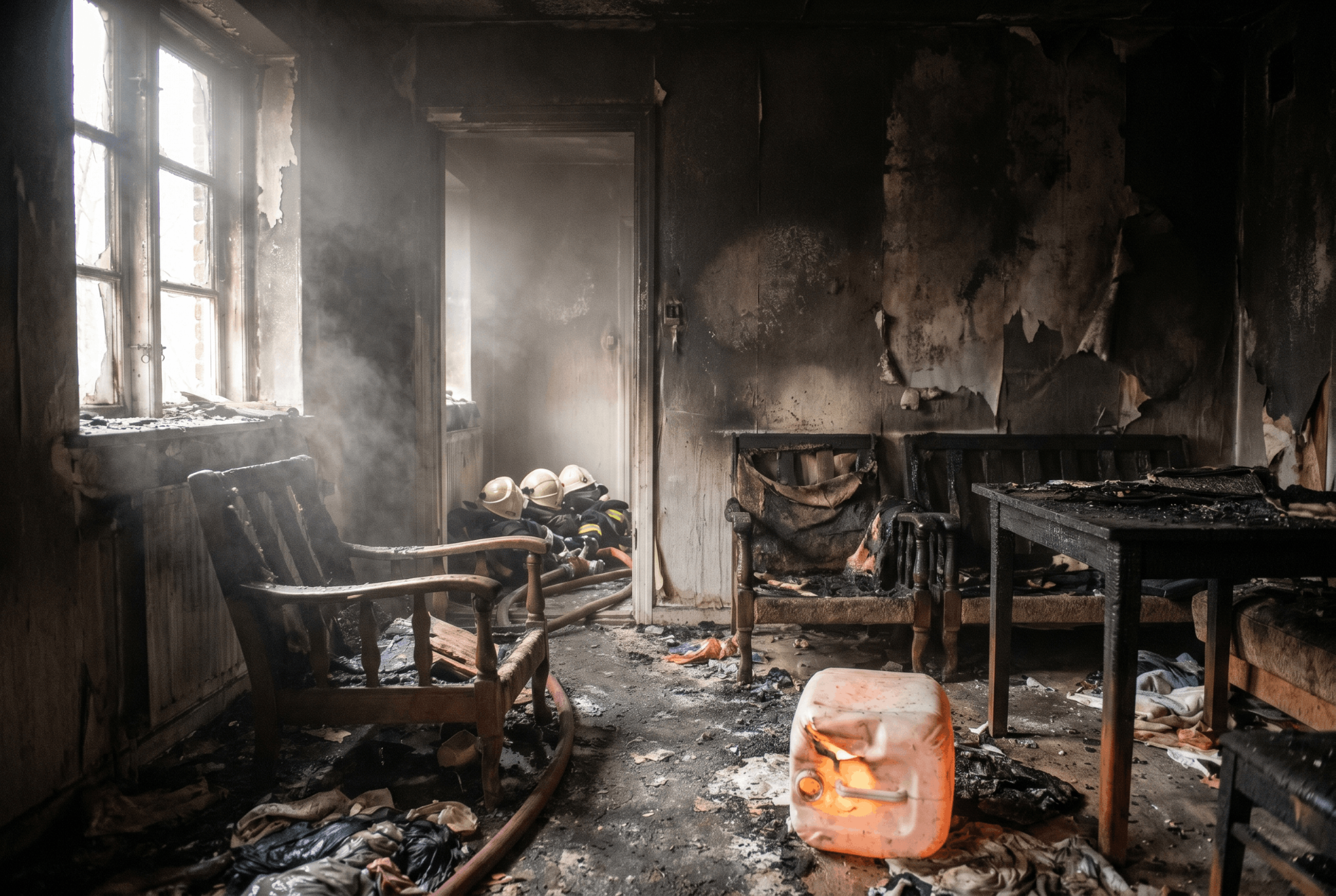
A fire changes the chemistry of everything it touches. As materials burn, they break down into fine particles and gases that settle across surfaces and linger in the air. Long after a blaze is extinguished, these residues continue to pose a threat to anyone who enters the space.
Soot is one of the most pervasive hazards. These microscopic particles carry toxins that can irritate the lungs, skin, and eyes, and they settle deep into porous materials where they are hard to reach. Char and ash bring their own concerns, often containing harmful compounds from burned plastics, finishes, and synthetic fabrics. On top of that, the fire and the water used to fight it can disturb older building materials, releasing substances that were previously sealed and stable. Effective fire damage cleanup in Colorado has to account for all three of these threats at once. That same firefighting water can also create ideal conditions for mold within just a day or two if the structure is not dried properly, which is why fire restoration and mold remediation often go hand in hand.
The smell that lingers after a fire is not just unpleasant, it is a sign that contaminants are still present. Smoke molecules embed themselves in drywall, insulation, fabrics, and ductwork. Masking the odor without removing the source allows those particles to keep circulating, which is why surface cleaning alone rarely solves the problem.
Colorado has a large stock of older homes, and many were built when materials like asbestos and lead-based products were common. Under normal conditions, these materials may be intact and harmless. A fire changes that equation entirely.
When heat, flames, and firefighting water damage walls, ceilings, flooring, and insulation, previously stable materials can crack, crumble, and release hazardous fibers or dust into the air. Disturbed asbestos is a particular concern, which is why fire restoration and abatement often go hand in hand. You can learn more about that work on our asbestos abatement page. For older Colorado properties, fire damage cleanup is not just about restoring appearance, it is about safely handling materials that the fire may have turned dangerous.
After a fire, the urge to start cleaning right away is understandable. Unfortunately, well-intentioned do-it-yourself efforts often spread contamination rather than contain it. Without the right equipment and training, cleanup can drive hazards deeper into a home.
What looks clean on the surface can still harbor serious risks, which is why professional handling matters so much after a fire.
Trained restoration teams approach a fire scene with a clear, safe process designed to protect your health, your home, and your financial recovery. Each step is meant to contain hazards and document the damage thoroughly. Here is how a professional fire damage cleanup in Colorado typically proceeds.
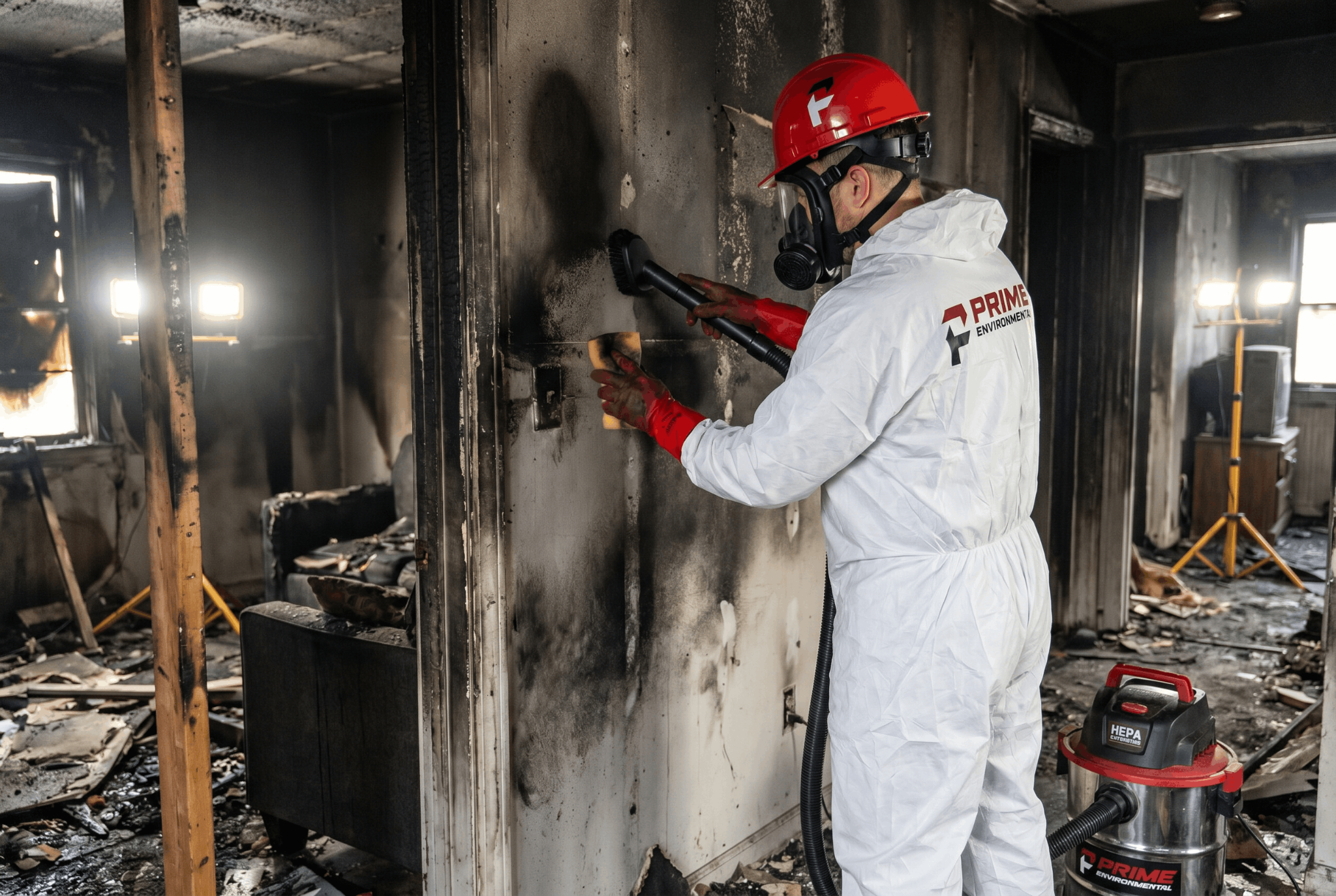
Before any cleanup starts, thorough documentation protects your insurance claim. Insurers need evidence of the damage as it was immediately after the fire, and once cleanup begins that evidence is gone. Taking the time to record everything can make the difference in how smoothly your claim is processed.
Photograph and video every affected room from multiple angles, capturing both structural damage and damaged belongings. Make a written inventory of lost or damaged items, noting their approximate value where possible. Keep any receipts related to emergency expenses and temporary lodging. A reputable cleanup company will also provide its own detailed documentation, and working with professionals from the start helps ensure your claim is supported by clear, credible records.
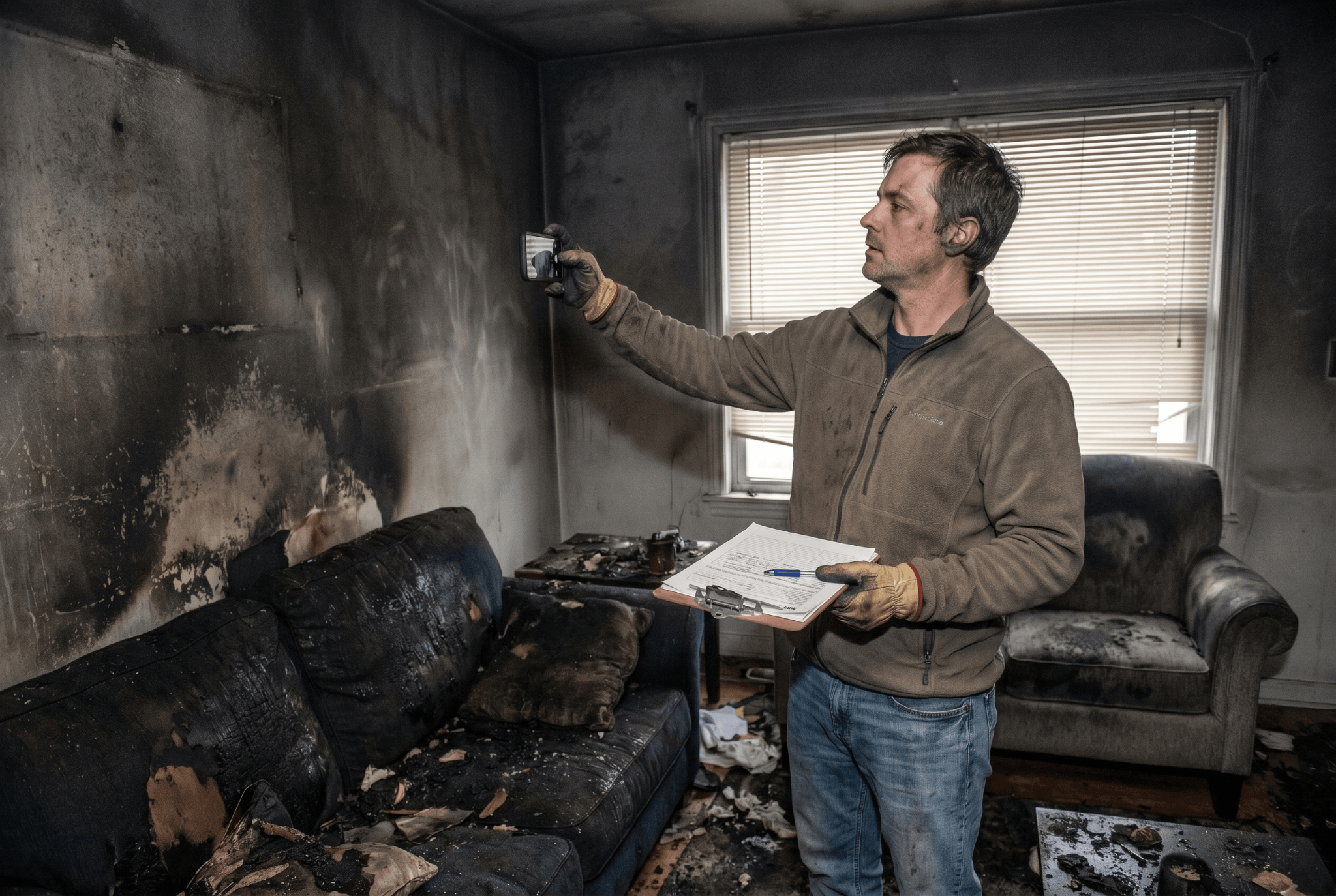
After a fire, every hour counts. The sooner cleanup begins, the better your chances of limiting permanent damage and protecting your family from lingering hazards. Prime Environmental offers around-the-clock emergency response and works directly with your insurance company.
Effective fire damage cleanup requires specialized products and equipment rather than ordinary household cleaners. Professionals use HEPA-filtered vacuums, dry-cleaning sponges, degreasing agents, and air scrubbers to capture soot and toxins without spreading them. The right method depends on the surface and the type of residue, since smoke from plastics differs from smoke from wood. For safety and thoroughness, this work is best handled by trained technicians with proper protective gear.
A hazardous material spill must be contained first to stop it from spreading, then handled with appropriate protective equipment. Trained responders identify the substance, isolate the area, and use approved methods and absorbents to neutralize and remove it. The waste is then disposed of according to environmental regulations. Because improper handling can be dangerous, hazardous spills should be managed by qualified professionals rather than attempted alone.
A hazmat cleanup is the safe removal and disposal of hazardous materials that pose a risk to health or the environment. This can include substances released during a fire, such as asbestos, lead dust, chemical residues, and toxic soot. The process follows strict safety protocols, including containment, protective equipment, and regulated disposal. The goal is to make a space safe to occupy again while protecting both workers and residents from exposure.
Hazardous materials are commonly grouped into categories such as flammable substances, corrosives, toxic or poisonous materials, reactive chemicals, and radioactive materials. After a fire, the most relevant concerns are often toxic soot, asbestos fibers, lead dust, chemical residues from burned products, and contaminated water. Each requires specific handling to prevent harm. Identifying which materials are present is a key early step in any professional cleanup.
Smoke damage cleanup uses a range of specialized cleaning agents chosen for the type of residue involved. These often include degreasers and alkaline cleaners for greasy soot, mild solvents for surface films, and deodorizing compounds that neutralize odor at the source rather than masking it. Professionals match the product to the material to avoid further damage. Proper ventilation and protective equipment are used throughout to keep the process safe.
Our team of certified professionals is always ready to protect your home or business. Contact us today and get a FREE estimate.
.svg)

.svg)
.avif)