
Every summer, Colorado’s monsoon season turns quiet afternoons into sudden downpours, and the flash flooding that follows can put water into a home faster than almost any other weather event. Monsoon flood cleanup in Colorado is a race against two clocks at once: the fast-moving water damaging the home, and the mold that can establish within a day or two of everything getting wet. Because flash flood water is often contaminated, the cleanup is also a health matter, not just a drying job.
Understanding how monsoon flooding damages homes, and why speed and proper handling matter, is what protects your property and your family.
The Colorado monsoon is a seasonal shift in wind patterns that pulls moisture into the region, typically from about July into September, producing intense, localized thunderstorms. These storms can drop a lot of rain in a short time over ground that cannot absorb it quickly, and the result is flash flooding, water moving fast and pooling faster than it can drain, that finds its way into homes through low points, window wells, and foundations.
At Prime Environmental, our focus is the environmental aftermath of flood water: the contamination and the mold remediation that flash flooding leaves behind if the moisture isn’t fully and safely addressed. This guide covers what the Colorado monsoon is, how fast-moving flood water damages homes differently than a slow leak, the contamination risk it carries, and how rapid, thorough cleanup protects your home.
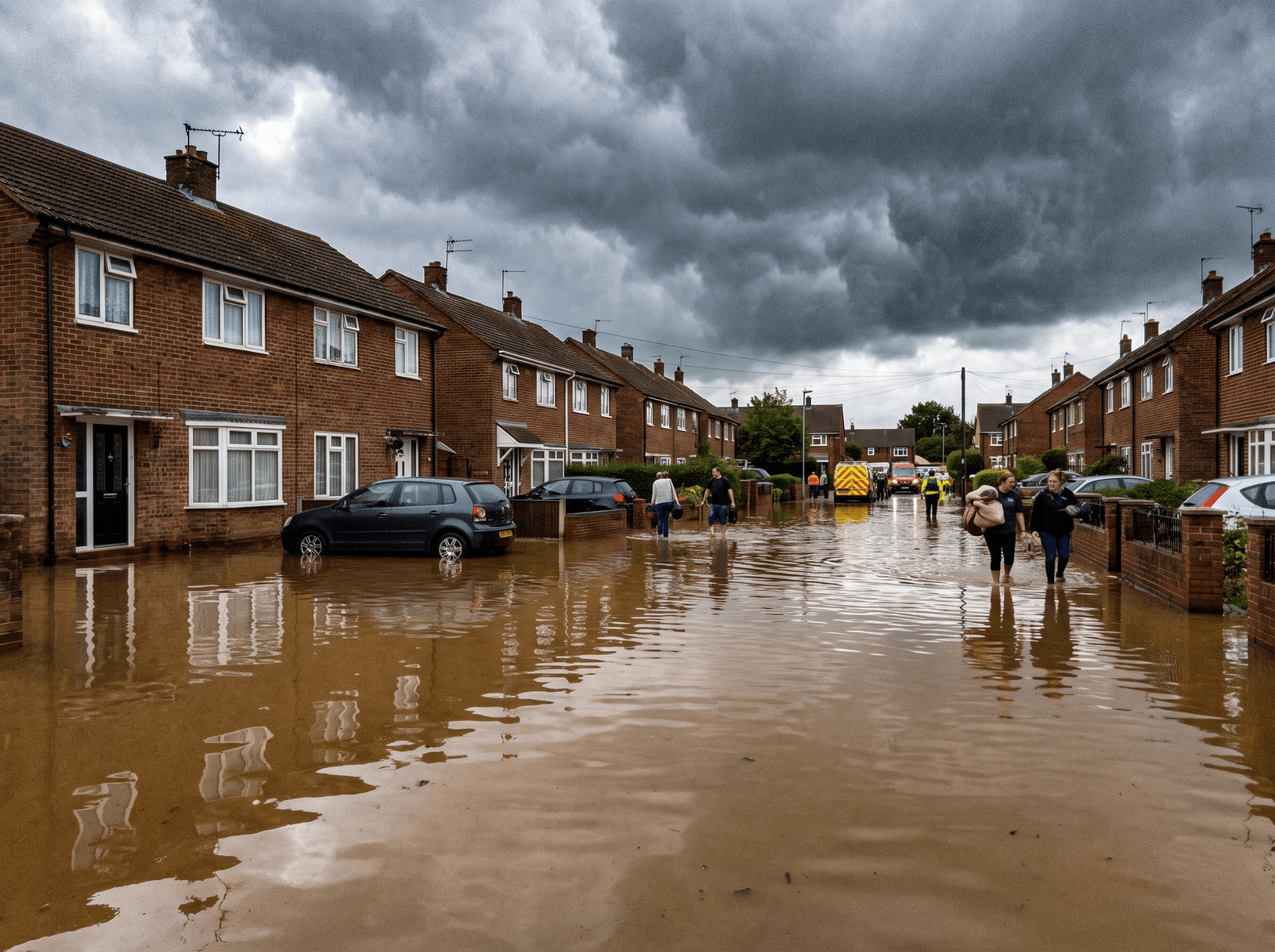
The Colorado monsoon is a predictable seasonal weather pattern, and understanding it helps homeowners anticipate the flash-flood risk that comes with it. Rather than an unusual event, it is a recurring feature of the state’s summers, which is exactly why preparing for it makes sense.
During the monsoon, typically from roughly July through September, a shift in wind patterns draws moist air into Colorado. That added moisture fuels frequent, intense afternoon and evening thunderstorms that can dump heavy rain over a small area in a very short time. The problem is that much of Colorado’s terrain, hard-baked soil, rocky ground, slopes, and urban pavement, cannot absorb that much water that quickly.
When rain falls faster than the ground can take it in, the excess becomes runoff that races downhill and collects at low points, producing flash floods. Around a home, that fast, pooling water gathers against foundations and fills window wells, where it can seep or pour inside.
Because these floods develop quickly and the water often enters at below-grade or hidden points, homeowners may not grasp how much water has gotten in until it has already soaked into materials. That speed, and the contamination the water frequently carries, is what makes monsoon flooding such a significant environmental risk, and why professional mold remediation is often part of the recovery.
The concentration of flash flooding in mid-to-late summer is a direct result of the monsoon’s moisture surge colliding with Colorado’s landscape. The season delivers repeated bursts of intense rain, and when that rain lands on ground already dry and hard, or on slopes and pavement that shed water rather than absorb it, runoff builds fast. Burn-scarred areas from past wildfires are especially prone, since scorched ground repels water. The result is that the same months that bring the monsoon’s dramatic storms also bring the conditions for water to rush into homes with little warning.
Flash flood water is not the same as a slow household leak, and it damages a home in different ways. Recognizing the difference explains why flood cleanup is more involved than drying up a plumbing leak, and why it needs to happen fast.
A slow leak releases a small amount of clean water over time in a confined area. Flash flooding does the opposite: it delivers a large volume of water quickly across a wide area, and that water arrives with force, spreading fast and soaking into everything in its path, floors, walls, insulation, and belongings, before it can be contained. The sheer volume means far more material gets saturated, and the speed means the water penetrates deep into the structure and pools in cavities before anyone can respond. On top of that, flood water is usually not clean. As it races across the ground, it picks up mud, debris, chemicals, and bacteria, arriving as contaminated water that poses a health hazard the moment it enters. This combination of volume, speed, and contamination is what sets flood damage apart and makes it so urgent.
The result is that a flash flood can create a large-scale environmental problem in minutes, saturating a home with contaminated water that both threatens health and, if not dried out completely, feeds mold. Treating it like an ordinary spill is a serious underestimation of what flood water leaves behind.
The defining features of flood water, how much arrives, how fast, and how deeply it penetrates, are exactly what make it so damaging. A large volume saturates far more material than a leak ever would; the speed drives water into wall cavities, under flooring, and into subfloor before it can be stopped; and the depth of penetration means the moisture reaches places that are hard to see and hard to dry. This is why flood recovery depends on finding and drying hidden moisture throughout the structure, not just removing the water that is visible on the floor.
One of the most important differences between flood water and other household water is that flood water is typically contaminated, and that contamination changes everything about how the cleanup must be handled. This is where flood recovery becomes a health and environmental matter, not merely a drying one.
As flash flood water moves across the landscape and through a neighborhood, it collects mud, silt, sewage, chemicals, and bacteria along the way. By the time it enters a home, it is generally classified as Category 3, or black water, the most contaminated category, which can carry harmful bacteria and other hazards. That contamination means the water cannot simply be dried up and forgotten; surfaces and materials it touched may need to be cleaned and sanitized, and porous materials that absorbed it, drywall, insulation, carpet padding, often have to be removed because they cannot be reliably decontaminated. Handling contaminated flood water safely requires proper protective equipment and procedures, which is a core reason professional cleanup matters for flooding.
The contamination also raises the stakes on the mold that can follow. Contaminated water left in materials not only creates a mold risk but leaves behind biological and chemical residues, so a thorough, sanitizing cleanup is what protects both the structure and the air. Treating flood recovery as an environmental decontamination job, not just water removal, is what safeguards a home properly.
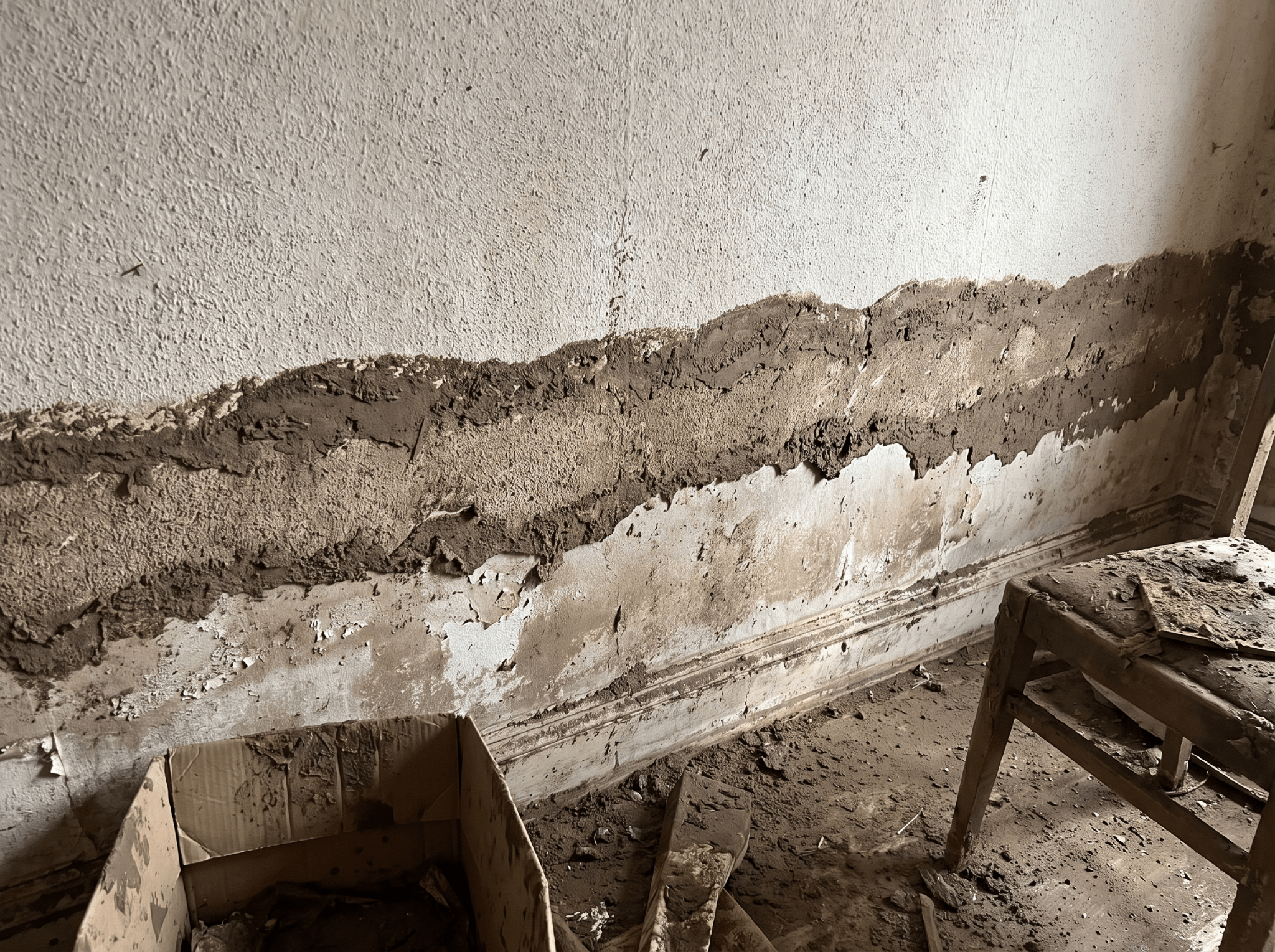
Recovering from a monsoon flood comes down to acting fast and handling the water safely, because both the mold clock and the contamination demand a prompt, thorough response. The most important, and most overlooked, part of the recovery is what happens to the moisture and contamination left behind after the visible water is gone.
A proper flood cleanup generally moves through removing the contaminated water, cleaning and sanitizing the affected surfaces and materials to address the contamination, removing porous materials that cannot be safely decontaminated, and then drying the structure completely with proper equipment and moisture monitoring. The drying is decisive: mold needs only moisture, an organic surface, and 24 to 48 hours to establish, and flood water that has soaked into materials provides all three.
Simply removing the standing water while dampness remains inside walls and subfloor is what leads homeowners to discover mold, on top of contamination residue, weeks after the flood. This is precisely where Prime Environmental’s focus on mold remediation and environmental recovery applies.
Treating flood recovery as an environmental job, sanitizing the contamination and drying the structure to a genuinely dry state, rather than a simple water-removal one, is what protects a home’s air and structure for the long term. The benefits of handling monsoon flood cleanup properly include:
Because the contamination and mold that follow flood water are so often the longer-lasting threats, making sure the moisture is fully and safely addressed is what turns a frightening flash flood into a complete recovery. If your home has taken on flood water this season, you can contact our team to assess the environmental aftermath. That environmental focus is central to protecting a Colorado home through monsoon season.
📞 Call Prime Environmental at (303) 720-5111 for flood water sanitizing, drying, and mold remediation across the Denver area and the Front Range.
In a flash flood, it almost always is. As flood water races across the ground and through a neighborhood, it picks up mud, silt, sewage, chemicals, and bacteria, so by the time it enters a home it is generally classified as Category 3, or black water, the most contaminated category. That is very different from a clean-water plumbing leak. The contamination means flood water cannot simply be dried up; affected surfaces need cleaning and sanitizing, and porous materials that absorbed it often must be removed. Handling it safely requires proper protective equipment and procedures, which is a key reason professional cleanup matters after flooding.
As fast as possible, ideally within the first 24 hours. Two clocks are running at once. First, mold can establish within 24 to 48 hours of materials getting wet, so the speed of drying directly affects whether the flood becomes a mold problem. Second, contaminated flood water poses a health hazard from the moment it enters, so prompt sanitizing matters too. Just as important as removing the visible water is finding and drying the hidden moisture in walls, subfloor, and cavities, since that is what feeds mold. Starting professional cleanup quickly limits both the contamination exposure and the damage.
Often not under a standard policy. Many homeowners policies exclude damage from surface flooding and external flood water, which is typically covered only under separate flood insurance. Coverage depends entirely on your specific policy and how the water entered, so reviewing your policy and speaking with your insurer is the best way to confirm what applies. Regardless of coverage, thorough documentation of the damage before cleanup begins, including photos and video, gives any claim the strongest support. Prime Environmental provides detailed documentation and works with insurance carriers to support the environmental portion of a claim.
For contaminated flash flood water, it is generally not advisable to handle it as a do-it-yourself job. Flood water is typically Category 3 black water carrying bacteria and other hazards, so contact and cleanup without proper protective equipment and procedures pose a real health risk. Beyond safety, a shop vac and towels only remove surface water; they do nothing about the moisture that soaks into walls and subfloor to feed mold, or the contamination residues left on materials. Professional cleanup provides the protective handling, sanitizing, and thorough drying that a safe, complete flood recovery requires.
Not always, but the risk is high whenever moisture is left in materials. Mold needs moisture, an organic surface, and time, and flood water that soaks into drywall, carpet, or subfloor provides all three if it isn’t removed and dried promptly and thoroughly. Water that is fully extracted and the structure dried within the first day or two often causes no mold at all. The determining factor is the hidden moisture: address it completely, along with the contamination flood water carries, and mold is unlikely, but leave dampness inside the structure and growth becomes probable.
Our team of certified professionals is always ready to protect your home or business. Contact us today and get a FREE estimate.
.svg)

.svg)
.avif)