
November 4, 2026
Prime Environmental
A popcorn ceiling asbestos test is a small, wetted sample of the ceiling texture that a certified lab checks under a microscope to say whether it contains asbestos. In a Denver home built before 1980, the test should come before anyone scrapes, sands or patches the ceiling, because the result decides whether removal is an ordinary job or one that has to follow Colorado's asbestos rules.
Many owners who search for popcorn ceiling removal never see the word asbestos, and some crews will quote to scrape and repaint without asking how old the house is. This guide explains why the test comes first, how a popcorn ceiling is sampled, what each result means for your project, and what happens next.
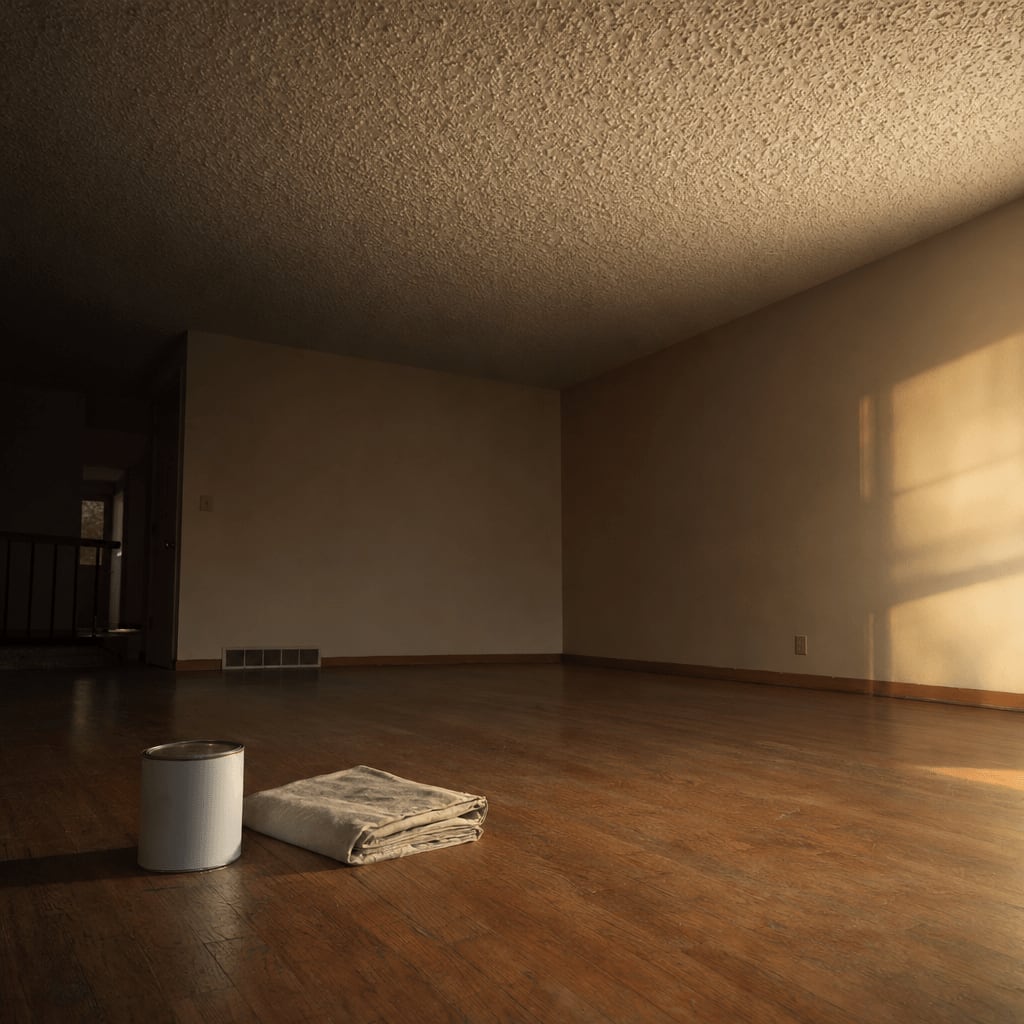
Some do and some do not, and you cannot tell by looking. Spray-on ceiling texture made before the 1980s often contained asbestos, which is why a popcorn ceiling in a pre-1980 home is treated as suspect until a lab says otherwise.
A few things make the answer less simple than the build year:
Scraping a dry popcorn ceiling breaks the texture apart overhead and drops fine dust onto everything below. If the texture contains asbestos, that dust carries fibers into the air you breathe and into the rest of the house. Once it has worked into carpet, furniture and air ducts, cleaning it up is a much bigger and costlier job than the ceiling ever was.
Colorado's rules point the same way. The Colorado Department of Public Health and Environment (CDPHE) requires that materials a project will disturb above set amounts be inspected by a Colorado-certified asbestos building inspector before work starts, or be treated as if they contain asbestos. In a single-family home, the amount for a ceiling or other surface is more than 32 square feet, and most rooms are bigger than that: a 10 by 12 foot bedroom ceiling is 120 square feet. There is a narrow exception for homeowners working on the single-family home they live in, but it does not make the texture any safer to scrape. The state's own summary is on the CDPHE asbestos guidance page.
Colorado law also keeps testing and removal apart. The certified inspector who tests your ceiling must be independent of the abatement contractor that will remove it, so the company that takes the ceiling down cannot be the one that tested it. The rule exists to prevent any conflict of interest, and it protects you: the result that decides how the job is done, and what it costs, comes from someone with nothing to gain from the removal.
Some crews will quote to scrape and repaint a textured ceiling without asking when the house was built or whether the ceiling has been tested. That quote is not a shortcut. It skips the one question that decides how the job has to be done. Whoever you hire, ask whether the ceiling has been tested before you accept a price.
Testing a ceiling is quick, and it leaves the room almost exactly as it was.
The lab reports each sample as "none detected" or as a percentage of a named type of asbestos. Here is what each answer means for your project.
If every sample from a ceiling comes back "none detected", that texture can be removed like any other building material, by the contractor you choose. Keep the report, because a contractor, a buyer or a city inspector may ask to see it. If your plans grow to include a room that was not sampled, test that ceiling too.
Texture with more than 1% asbestos counts as asbestos-containing material under federal and Colorado rules. If your project will disturb more than the trigger amount, the texture has to come down under the state's rules before the rest of the work goes ahead: inside sealed containment, kept wet, bagged and disposed of as regulated waste, with the air tested by an independent air monitoring specialist before the containment comes down. That removal is done by a state-certified abatement contractor, and CDPHE is notified 10 business days before it starts. Our guide to popcorn ceiling asbestos removal in Denver walks through that removal step by step.
A positive result does not always mean the ceiling has to come out now. Texture in good condition that nothing will disturb can often stay where it is. That changes once a remodel, a new light fixture, a repair or water damage is going to break into it.
A little preparation keeps the test useful and the quotes comparable:
Prime Environmental removes asbestos popcorn ceilings once an independent inspector's report shows the texture contains asbestos. Under Colorado law, we do not test the ceilings we remove. Our asbestos abatement service page explains how a removal is contained and cleared, and our guide to asbestos in pre-1980 Denver homes covers the other materials worth having tested while the inspector is there.
Have your test result? Call Prime Environmental at (303) 720-5111 for popcorn ceiling asbestos removal anywhere in the Denver metro.
These are the questions Denver owners ask most often before they have a textured ceiling tested.
Home test kits exist, but in Colorado a project above the trigger amount needs an inspection by a certified asbestos building inspector, and a kit result will not satisfy that. Cutting a dry sample yourself can also release the fibers you are worried about. A professional inspection is the safer route and gives you a report you can use.
No. Under Colorado law, the certified inspector who identifies asbestos must be independent of the abatement contractor that will remove it, and the air clearance test at the end must come from an independent air monitoring specialist. Have each ceiling tested by an independent inspector first, then get removal quotes based on that report.
At least one from each ceiling that looks like it was sprayed at a different time, and more on large ceilings or where there are patches. The inspector decides on the walk-through, based on what your project will touch.
Yes. Once the lab report shows no asbestos in the ceilings your project touches, removal is ordinary work and any qualified contractor can do it. Keep the report with your project records.
Sometimes. A ceiling in good condition can often be left in place, and in some cases sealed or covered in a way that does not disturb it. Painting or covering it does not remove the asbestos, so anyone who later drills, cuts or removes that ceiling needs to know it is there. Talk it through with the inspector once you have the result.
A popcorn ceiling asbestos test is a small step that settles the biggest question about your project before anyone climbs a ladder. Test each ceiling the work will touch, read the report with someone who can explain it, and then choose how the ceiling comes down, or whether it needs to at all.
Contact Prime Environmental for popcorn ceiling asbestos removal anywhere in the Denver metro once your ceiling has been tested.
Our team of certified professionals is always ready to protect your home or business. Contact us today and get a FREE estimate.